



AI productivity tools help businesses automate tasks, improve decision-making, and boost efficiency. By streamlining workflows and enhancing creativity, these tools enable teams to focus on high-value work and achieve better results faster.
Workplace demands grow heavier every single year. Teams must produce more content, analyze complex data, and manage massive projects without gaining more hours in the day. The search for workplace efficiency leads many organizations to rethink how they manage their daily tasks.
AI productivity tools step in to fill this critical gap. These platforms transform workflows, boost creativity, and enable unprecedented levels of output. By handling repetitive tasks and organizing massive amounts of information, artificial intelligence allows human workers to focus entirely on high-level strategy and creative problem-solving. Using AI software for business productivity is no longer optional for teams that want to stay competitive.
This comprehensive guide explores the complete landscape of AI productivity tools. We will cover exactly how these technologies function, the core benefits they offer, and the specific platforms leading the market right now. We will also examine real-world success stories, potential integration challenges, and the best practices to help you implement these AI tools for time management successfully.
Understanding AI Productivity Tools and Their Mechanics
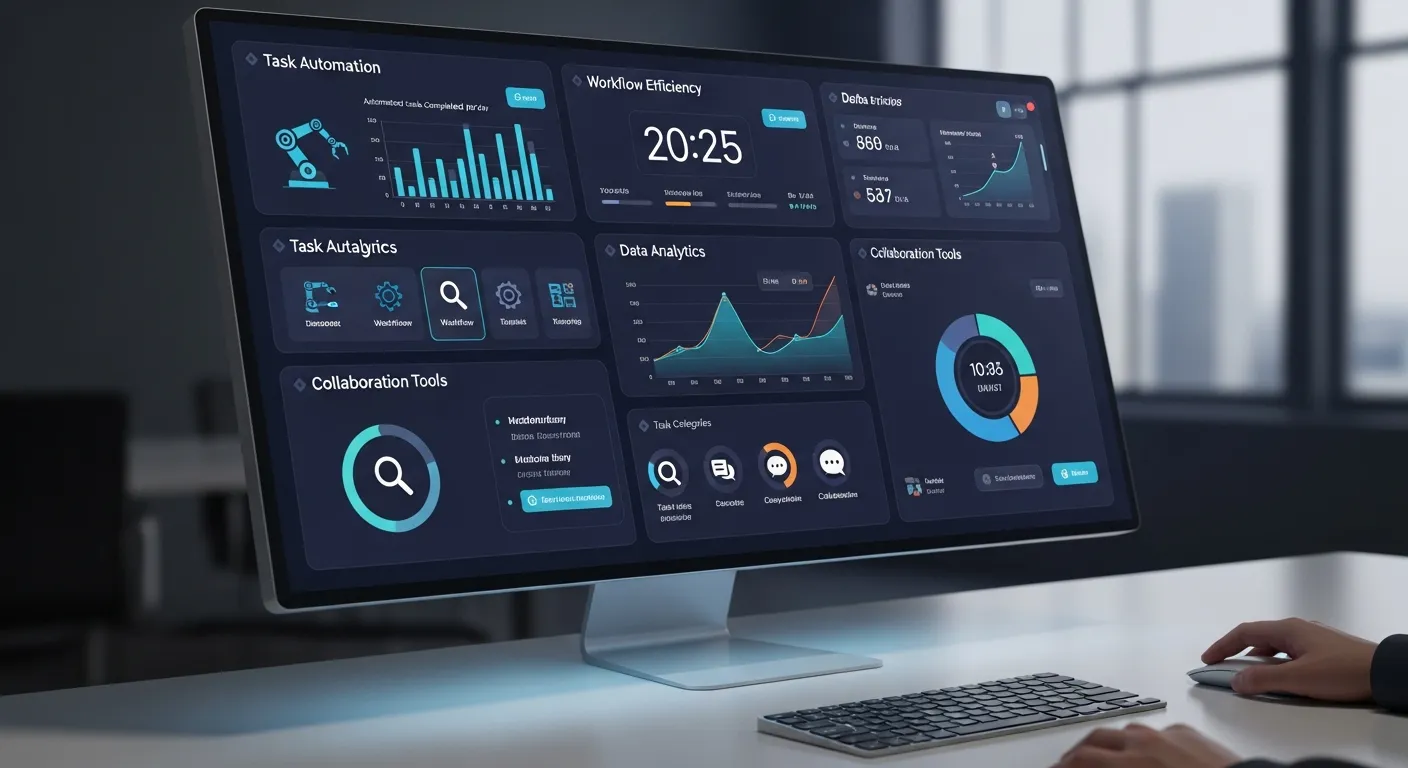
At their core, AI productivity tools are advanced software applications that use artificial intelligence to help individuals and teams work much more efficiently. They learn from historical data, recognize patterns, and make critical decisions with minimal human intervention.
These platforms represent a major shift in how we approach daily work. Instead of manually entering data or drafting repetitive emails, professionals use the best AI tools for productivity to automate these tasks entirely. Leveraging AI productivity tools can be a game changer for both small startups and large enterprises, ensuring your business remains lean, agile, and highly effective.
Core Categories of AI Apps for Workflow Automation
These tools generally fall into a few broad and impactful categories. Writing assistants help draft and edit long-form content. Task automation platforms handle repetitive administrative work effortlessly. Data analysis tools process raw numbers to find hidden trends, while intelligent project management software keeps remote teams aligned and strictly on schedule.
Other AI apps for workflow automation focus on email management, digital file organization, and even employee onboarding. These applications help standardize processes, ensuring greater consistency across all aspects of your business workflow.
The Technology Powering AI Software for Business Productivity
Several core technologies power these applications behind the scenes.
- Natural Language Processing (NLP): This allows the software to understand, interpret, and generate human text seamlessly.
- Machine Learning: This enables the tools to improve their overall performance over time based on specific user interactions.
- Computer Vision: This gives applications the unique ability to analyze, tag, and categorize images or videos accurately.
- Robotic Process Automation (RPA): This allows AI tools for time management and productivity to perform repetitive tasks across different software with minimal human intervention, dramatically reducing errors in everyday digital workflows.
Together, these technologies create a solid foundation for software that actively assists you rather than just passively recording your data.
The Core Benefits of Integrating AI into Your Workflow
Bringing artificial intelligence into your daily routine offers a wide range of operational and creative advantages. When you leverage AI productivity tools, you fundamentally change how your business operates.
Enhanced Efficiency and Time Management
The most immediate benefit of AI is its remarkable ability to automate highly repetitive tasks. Entering data, organizing emails, and generating standard weekly reports can all be handled by intelligent software. This streamlines complex processes and significantly reduces manual human errors.
When a machine handles the routine steps, human workers gain hours back in their week. This makes AI tools for time management incredibly valuable for busy executives and project managers.
Consider routine scheduling: AI apps for workflow automation can coordinate meeting times, send calendar invites, and automatically reschedule conflicts. This “always-on” capability leads to less administrative chaos and more productive workdays.
Improved Decision-Making Through Data
AI productivity tools excel at processing vast amounts of information to deliver actionable, data-driven insights. They highlight subtle trends that might take human analysts several weeks to find.
Predictive Capabilities in Business
Many platforms also offer powerful predictive capabilities. They forecast future outcomes based entirely on historical data points. This leads to personalized recommendations that help business leaders make confident, informed choices about resource allocation and hiring needs.
Modern dashboards powered by AI software for business productivity visualize these predictions, allowing leaders to pivot strategies quickly when conditions change. Smart alerts notify managers when KPIs fall outside accepted norms, helping organizations remain proactive instead of reactive.
Boosting Creativity and Innovation
Staring at a blank page frustrates many professionals. AI productivity tools help overcome writer’s block by generating initial outlines or brainstorming fresh ideas. They provide diverse perspectives and can instantly rephrase content to suit completely different target audiences.
For creative teams wanting to explore software options, reading an AI marketing tools guide provides excellent context for specialized applications.
Creative brainstorming sessions now regularly incorporate AI apps for workflow automation as “virtual collaborators.” These tools generate fresh angle suggestions, push teams beyond conventional thinking, and even inspire completely new product ideas.
Personalized Learning and Professional Development
Modern AI productivity tools are also transforming training and development. AI-powered learning platforms assess gaps in employee skills and automatically curate content and exercises to address weaknesses. Some tools utilize adaptive pacing, only introducing new materials when a learner masters previous content.
This direct feedback loop shortens the time needed to upskill a workforce. Leaders can use AI software for business productivity to map career progression pathways, connect employees with mentorship opportunities, and track long-term competency improvements.
Enhanced Collaboration and Teamwork
AI productivity tools are ideal for managing collaboration across time zones and cultures. Intelligent meeting assistants transcribe virtual sessions, summarize main points, and assign action items automatically. Some AI apps for workflow automation feature built-in chatbots that answer employee questions instantly, reducing lag in communication.
In remote work environments especially, these features help ensure team alignment, even as projects become more complex and global in scope.
Key AI Productivity Tools Across Different Functions

Different departments require completely different software solutions. Here is a close look at how specific AI productivity tools apply to various critical business functions.
Writing and Content Creation
Content teams rely heavily on AI writing assistants. These AI apps for workflow automation help teams create optimized SEO content, draft outbound sales outreach, and translate massive campaigns in real-time. Grammar and style checkers ensure that this content remains polished, while summarizers condense long research reports into highly digestible formats.
Advanced AI content platforms also analyze the tone, sentiment, and SEO relevance of each piece, ensuring your messages reach the right audience with maximum impact. Video editors powered by AI offer one-click transcription, automatic highlight reels, and instant voiceovers in multiple languages.
Task Automation and Project Management
Managing schedules and tracking project deliverables is much easier with intelligent software. Modern platforms operate as complete AI work hubs. They feature built-in personal AI assistants that analyze risks, spot bottlenecks, and build roadmap plans automatically.
|
Feature |
Traditional Software |
AI Productivity Tools |
|---|---|---|
|
Task Assignment |
Manual routing by managers |
Auto-assigned based on workload |
|
Risk Detection |
Requires human audits |
Real-time predictive alerts |
|
Status Updates |
Manual data entry |
Auto-generated summaries |
|
Timeline Management |
Fixed Gantt charts |
Dynamic adjustment with AI |
|
Resource Allocation |
Spreadsheet tracking |
Automated optimization |
Some AI tools for time management go a step further, automatically adjusting project priorities when deadlines slip or staffing changes occur.
Data Analysis and Business Intelligence
Business intelligence relies entirely on accurate data processing. AI-driven analytics platforms instantly query massive databases. Visualization tools with built-in AI insights automatically generate charts and highlight key performance indicators. This AI software for business productivity uses this data to forecast sales accurately and track inventory needs.
With advanced anomaly detection, AI productivity tools can warn managers about fraud risks or supply chain disruptions before they escalate.
Customer Relationship Management (CRM)
AI-powered CRM systems score leads, predict churn, and automate follow-ups. AI productivity tools recommend the best times to send sales emails and even personalize messaging to each individual customer segment. This laser-focus on engagement can dramatically improve conversion rates and lifetime customer value.
Human Resources and Recruitment
With the best AI tools for productivity, HR teams can screen resumes, schedule interviews, and even run initial screening questions via chatbot. AI apps for workflow automation measure employee satisfaction in real-time by analyzing surveys and internal communications. This leads to faster hiring, improved retention, and better workforce morale.
Real-World Impact of AI Productivity Tools
The theoretical benefits of AI sound impressive, but the practical applications truly prove its immense value.
Small Business Success Stories
A boutique marketing agency recently struggled to keep up with client demands for daily social media content. By implementing the best AI tools for productivity, their small team generated initial drafts in mere minutes. They used AI project management tools to automate client approval workflows perfectly. This allowed the agency to take on significantly more clients without needing to hire additional full-time staff members.
Small e-commerce startups integrate AI productivity tools for inventory forecasting, auto-replenishing stock, and tailoring promotional offers to customer preferences—empowering them to compete with much larger retailers.
Enterprise Efficiency Gains
Large organizations see massive financial returns from AI adoption. By automating workflows that used to take weeks and cost thousands of dollars through external agencies, major tech companies save millions annually. Enterprise brands use these platforms to save hundreds of thousands of hours across retail and advertising operations.
In sectors like finance and logistics, AI productivity tools optimize trade execution, detect fraudulent activities, and streamline compliance checks, ensuring smooth and error-free daily operations.
Overcoming Challenges in AI Productivity Tool Adoption
While AI productivity tools offer massive benefits, organizations must approach their implementation thoughtfully and carefully.
Data Privacy and Security Concerns
AI tools require massive amounts of data to function properly. Feeding proprietary company data or sensitive customer information into a public AI model poses severe security risks. Organizations must ensure they use secure, enterprise-grade platforms that comply fully with data privacy regulations.
Opt for vendors that offer advanced encryption, customizable access levels, and detailed audit logs. AI software for business productivity should make it easy to delete personal data and remain compliant with regulations like GDPR or CCPA.
The Human Element: Oversight and Trust
AI serves as a powerful assistant, but it is never a complete replacement for human judgment. Automated systems occasionally hallucinate facts or miss highly nuanced context. Maintaining strict human oversight ensures that all final deliverables meet quality standards and align perfectly with your core brand values.
Additionally, organizations need to foster trust among their workforce. Transparent communication about the benefits and limitations of AI apps for workflow automation helps ease change management during adoption.
Integration and Compatibility
Legacy tech stacks can present integration headaches. Many best AI tools for productivity come with APIs and zap-style integrations, making it easier to connect new tools to your existing apps and databases. When evaluating software, prioritize platforms that offer strong interoperability with your current tech and growth plans.
Best Practices for Implementing AI Productivity Tools
To maximize the true value of artificial intelligence, organizations should follow a highly structured implementation strategy.
Start Small and Scale Up Gradually
Do not attempt to overhaul your entire business operation overnight. Identify one or two major bottlenecks, such as slow email response times or tedious manual data entry. Implement an AI solution for those specific problems, strictly measure the results, and then safely expand the usage to other departments.
Solicit user feedback early and often. Even minor workflow tweaks can significantly increase user adoption and improve ROI.
Define Clear Objectives
Know exactly what you want the AI software for business productivity to achieve. Setting clear, measurable goals makes it much easier to evaluate the tool’s true effectiveness over a specific quarter.
Develop detailed workflows and “success metrics” before rolling out an AI app for workflow automation company-wide. These should include measurable outcomes, such as reduced turnaround time, number of automations used daily, and percentage decrease in human error.
Train Your Team and Foster Engagement
Most modern AI tools are easy to use but still require initial onboarding and ongoing education for best results. Provide engaging, hands-on training workshops that let employees experiment and ask questions. Create internal knowledge bases for frequently asked questions, workflows, and troubleshooting.
Encourage employees to share discoveries and creative new ways to use the best AI tools for productivity within existing processes. Recognition programs that reward innovative AI usage can ramp up enthusiasm and creative energy.
Monitor Performance and Continuously Improve
Regularly review how the AI productivity tools are performing against your KPIs. Use built-in analytics dashboards to spot adoption issues and benchmark your improvements over time. Periodically survey team members about their experiences and adjust tools or training as needed.
Stay up to date with industry advancements and update your tech stack accordingly to maintain a competitive edge.
The Future of Work with AI

The integration of artificial intelligence into the modern workplace is truly just beginning. We are moving swiftly away from isolated copilots toward unified, highly agentic platforms.
Future AI apps for workflow automation will not just wait for your text prompts. They will proactively monitor your project boards, identify stalled tasks, and automatically execute the necessary next steps. Artificial intelligence fundamentally changes what remote teams can achieve. AI productivity tools offer a remarkably clear path to greater efficiency, deeper insights, and highly streamlined operations.
Looking ahead, expect real-time collaboration between multiple AI agents, each with domain expertise—from marketing to HR to finance—offering context-sensitive solutions and insights. Enterprises will deploy personalised AI assistants to each employee, creating a hybrid human-AI work model that enhances creativity and removes friction from tasks large and small.
Frequently Asked Questions
What are AI productivity tools?
AI productivity tools are software applications that use artificial intelligence to automate tasks and streamline workflows. They help individuals and teams manage time efficiently by handling repetitive work like data entry, scheduling, and basic content generation. This allows human workers to focus heavily on strategy and creative problem-solving.
How do AI apps for workflow automation actually work?
These applications utilize natural language processing and machine learning to understand text and predict user needs. They connect different software platforms together so that data flows seamlessly without any manual copying and pasting. They essentially act as a digital assistant that never sleeps.
What are the best AI tools for productivity in marketing?
The best tools depend entirely on your specific team goals and daily operational bottlenecks. Many marketers use writing assistants for copy and predictive analytics for ad spend optimization. You can review detailed comparisons in this AI marketing tools guide to find the right fit.
Can AI tools for time management replace human workers?
AI software is designed to augment human capabilities, not replace workers entirely. These tools handle the tedious, repetitive administrative tasks that consume valuable hours. Humans are still required for complex decision-making, emotional intelligence, and providing nuanced strategic direction.
Is AI software for business productivity safe to use with company data?
Security depends on the specific platform you choose to implement. Enterprise-grade AI tools offer strict data encryption and comply with privacy regulations to protect your information. Always review a software provider’s data policy before feeding proprietary company data into their systems.
How do I choose the best AI tools for productivity for my small business?
Start by identifying the exact tasks that consume the most time in your daily operations. Look for tools that specifically address those bottlenecks and offer free trials for testing. Exploring an AI marketing tools guide can also help you narrow down industry-specific software options quickly.
Where can professionals learn more about selecting the best tools?
Professionals can explore curated lists and guides online to compare tool features, use cases, and pricing. For instance, this ultimate digital guide offers a practical framework for evaluating digital solutions’ value for your workflow.
What is the learning curve for AI apps for workflow automation?
Most modern AI platforms feature highly intuitive, user-friendly interfaces designed for non-technical users. However, mastering effective prompting and integrating the tools into legacy systems takes some practice. Providing brief training sessions for your team significantly speeds up the overall adoption process.
Can AI productivity tools help with project management?
Yes, intelligent project management software automatically assigns tasks, predicts project delays, and summarizes long meeting notes. These tools keep remote and hybrid teams perfectly aligned on their deliverables. They provide unparalleled visibility into a team’s daily workload and overall capacity.
Are there specific AI tools for time management tailored to content creators?
Content creators benefit massively from AI writing assistants, audio transcription tools, and automated video editors. These applications cut production time in half by handling the initial drafting and editing phases. For specialised recommendations, check out this comprehensive AI marketing tools guide to see what experts use.
How do I measure the ROI of AI software for business productivity?
You measure ROI by tracking metrics like hours saved on repetitive tasks, increased output volume, and reduced error rates. Compare these efficiency gains against the monthly subscription cost of the software. Most companies find that the tools pay for themselves within the very first month of use.
