

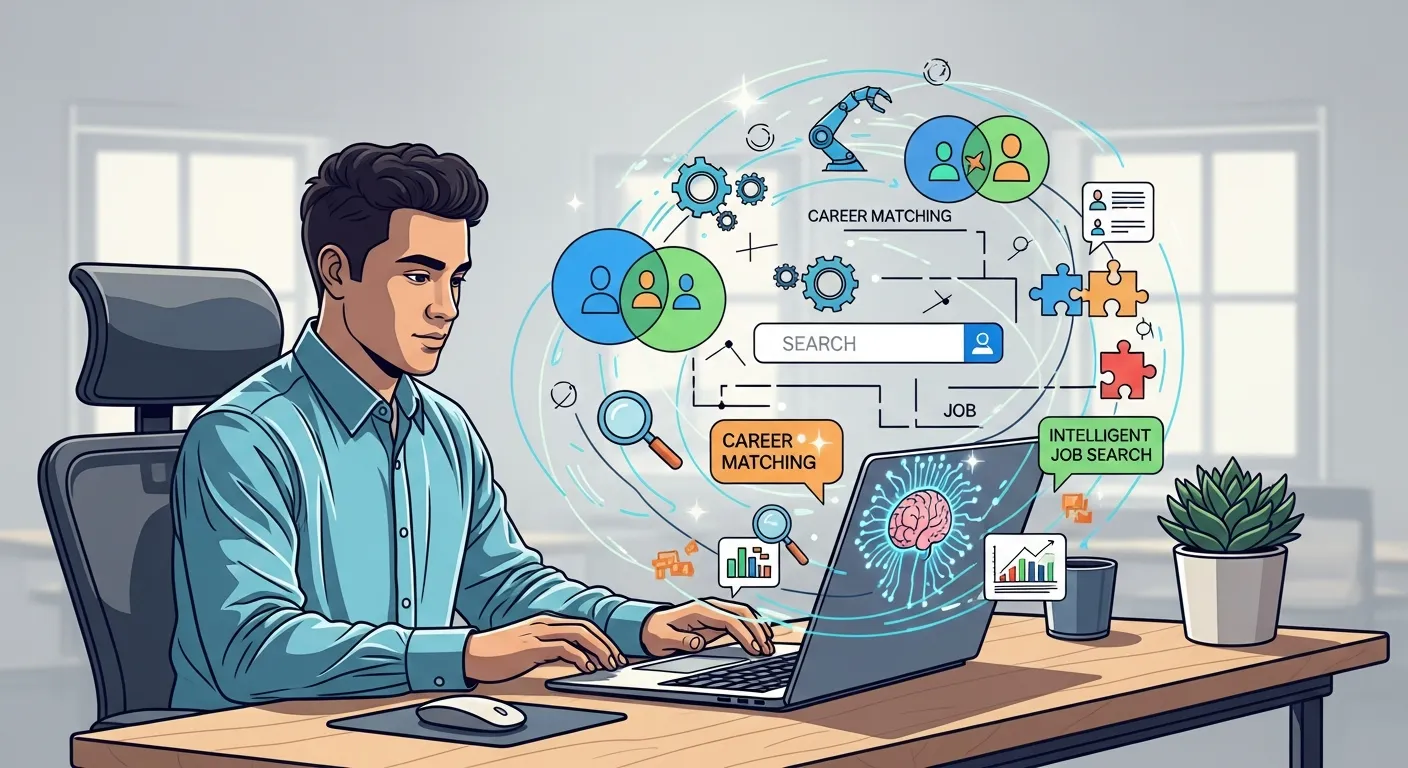
AI job finders use machine learning and natural language processing to match candidates with relevant roles, saving time, improving accuracy, and uncovering hidden opportunities while enhancing resumes and streamlining the modern job search process.
Searching for a new role often feels like a full-time job. You spend hours refreshing job boards, tweaking your resume for the hundredth time, and writing cover letters that seem to vanish into a black hole. The traditional approach requires massive amounts of manual effort and emotional resilience, especially in a highly competitive market where hundreds of candidates apply for a single open position.
Technology is finally catching up to the frustrations of modern applicants. A new wave of tools is changing how candidates approach the hiring process, removing much of the busywork that makes looking for a job so exhausting. An AI job finder acts as a personal career assistant, analyzing your background and preferences to connect you with roles that actually make sense for your trajectory.
These platforms do much more than simply list open positions. They use intelligent algorithms to read between the lines of job descriptions, highlighting opportunities you might have missed and suggesting ways to strengthen your application. By understanding exactly how an AI job finder works, its core benefits, and the best ways to integrate it into your routine, you can drastically reduce the time it takes to land a role you love.
What is an AI Job Finder?
An AI job finder is an intelligent platform designed to automate and enhance the process of discovering career opportunities. Unlike standard job boards that rely on exact keyword matches, these tools use sophisticated programming to understand the context of your skills, experience, and career goals. When you use an AI job finder, you move away from manual searches and step into a streamlined, highly personalized experience.
Traditional job boards operate on a simple search-and-return basis. If you type “marketing manager” into a standard search bar, you will see a list of jobs with that exact title. An AI job search platform takes a much broader approach. It evaluates your uploaded resume, looks at your past achievements, and understands that your background in digital campaigns and team leadership makes you a strong candidate for roles titled “Growth Lead,” “Demand Generation Director,” or “Digital Strategist.”
How Machine Learning Drives AI Career Matching
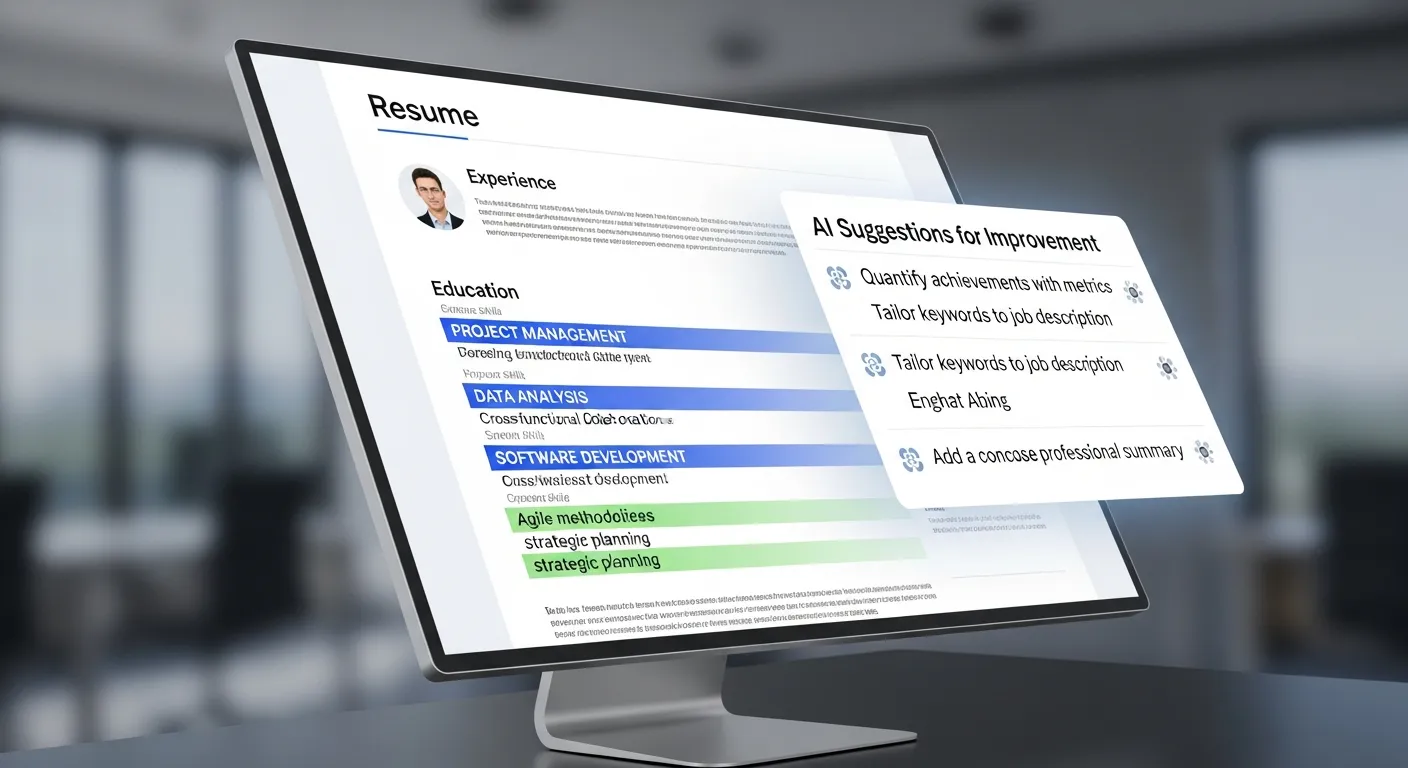
This capability is powered heavily by machine learning. Machine learning allows the platform’s algorithms to improve over time. As you interact with a smart job finder—clicking on certain listings, applying for specific roles, and ignoring others—the system learns your preferences. It refines its future suggestions to ensure every alert you receive aligns perfectly with your ambitions.
The Power of Natural Language Processing
Natural language processing enables the software to comprehend human language as it is written. It analyzes the specific phrasing used in both your resume and employer job descriptions to find a meaningful semantic match. Instead of looking for identical words, an AI job finder understands the actual meaning behind your skills. This results in incredibly accurate automated job recommendations that traditional platforms simply cannot replicate.
The Core Benefits of Using an AI Job Finder
Adopting an intelligent search platform offers several distinct advantages that give you a competitive edge in the hiring market. When you utilize an AI job search strategy, you unlock features designed to put your career growth on fast-forward.
Efficiency and Time Saving Through Automated Job Recommendations
The most immediate benefit is the massive reduction in manual browsing. Instead of spending your evenings scrolling through endless pages of irrelevant listings, the platform brings the best opportunities directly to you. Automated job recommendations work around the clock. The software scans thousands of new postings across the web and filters out the noise. You receive a curated list of roles tailored to your exact specifications, freeing up your time to focus on preparing for interviews and networking.
Improved Relevance with a Smart Job Finder
Job titles vary wildly from one company to the next. A “Customer Success Specialist” at a startup might have the exact same responsibilities as an “Account Manager” at an enterprise firm. An AI job finder understands these nuances. By analyzing the actual requirements and day-to-day duties listed in a job description, the software provides highly personalized recommendations. It prevents you from wasting time applying to jobs that demand five years of experience you do not have, while surfacing roles that perfectly align with your current skill level.
Uncovering Hidden Opportunities and Networking
Many great jobs are never posted on the major traditional boards, or they are buried under thousands of sponsored listings. AI platforms aggregate data from a wider variety of sources, including niche industry sites and direct company career pages. Furthermore, the technology excels at identifying tangential roles. If you have a strong background in data analysis and customer communication, the system might suggest transitioning into a product management role.
Sometimes, finding the perfect role requires combining a smart job finder with genuine human connections. You can leverage automated job recommendations to find the right companies, and then use your network to get a foot in the door. For instance, learning how a tip from a company insider helped a high-achieving working mom get the jump on her dream job demonstrates that blending AI job search tools with insider knowledge is a highly effective strategy for career advancement.
Key Features to Look for in an AI Job Finder
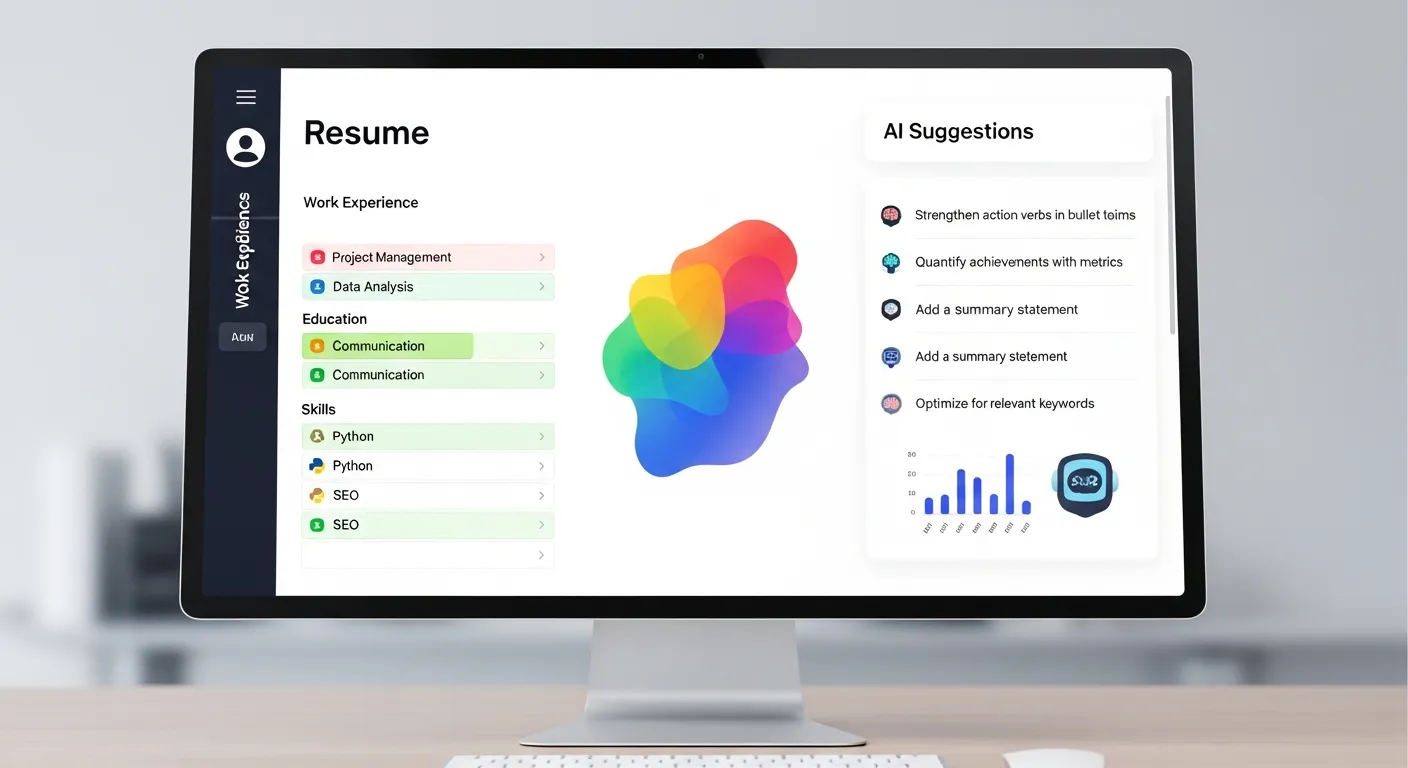
Not all platforms offer the exact same capabilities. When evaluating which smart job finder to use for your search, keep an eye out for essential features that facilitate optimal AI career matching.
- Advanced Filtering Capabilities: You should be able to filter not just by location and salary, but by company size, remote work policies, funding stages, and specific corporate values.
- Skill Gap Identification: A high-quality AI job finder will analyze the requirements of your target roles and point out exactly what you are missing.
- Personalized Alerts: Timing is critical. Look for systems that offer instant notifications when a highly relevant job is posted.
- Intuitive User Interface: The dashboard should be clean, intuitive, and make it easy to track where you have applied and which interviews are coming up.
Resume Analysis versus Traditional Job Boards
To truly understand the value of an AI job search platform, it helps to compare its resume analysis features directly against traditional methods.
|
Feature |
Traditional Job Board |
AI Job Finder |
|---|---|---|
|
Search Method |
Exact keyword matching |
Semantic meaning and context analysis |
|
Resume Feedback |
None provided |
Actionable advice on phrasing and keywords |
|
Job Suggestions |
Based on manual filters |
Automated job recommendations based on behavior |
|
Skill Mapping |
User must manually check |
AI career matching highlights transferable skills |
|
Market Insights |
Static salary estimates |
Real-time data on demand and compensation |
How to Effectively Use an AI Job Finder
Simply creating an account is not enough to guarantee success. To get the most out of these intelligent tools, you need to use them strategically and actively manage your AI job search.
Crafting an Optimized Profile for AI Career Matching
The automated job recommendations you receive are only as good as the data you provide. Upload a comprehensive, well-structured resume that clearly outlines your impact and achievements. Be generous with relevant industry terminology. As you gain new skills or complete new projects, update your profile immediately so the AI job finder always has an accurate picture of your professional value.
Setting Clear Preferences
Algorithms thrive on constraints. Be highly specific about what you want from your smart job finder. Clearly define your target salary, your willingness to commute, your preferred company culture, and the industries you find most interesting. Setting these boundaries prevents the system from cluttering your dashboard with roles you would never accept.
Engaging with the Platform
Machine learning models need feedback to improve. When the AI job finder suggests a job that perfectly matches your goals, save it or apply through the platform. If it recommends a role that is completely irrelevant, use the “not interested” button. This active engagement trains the algorithm, making its future AI career matching increasingly accurate.
Combining Automated Job Recommendations with Traditional Methods
Technology should supplement your efforts, not replace them entirely. While the software handles the heavy lifting of sourcing opportunities, you still need to leverage the human element. Once the AI job search identifies an ideal role, check LinkedIn to see if you have any mutual connections at the company. Reach out for informational interviews and tap into your professional network to ensure your application gets noticed.
The Future of the AI Job Search

The technology driving career platforms is evolving at an incredible pace. We will soon see a shift toward predictive analytics for career mapping. Instead of just helping you find your next job, an AI job finder will analyze vast amounts of career trajectory data to map out the next ten years of your professional life.
Hyper-personalized AI career matching will become the norm. Systems will integrate with your digital portfolio, analyzing your actual code repositories, design files, or published articles to verify your skills. As the smart job finder takes over the initial sourcing phases, you will be able to spend more time preparing for deep, meaningful interviews that algorithms cannot replicate. By embracing these tools now, you position yourself perfectly for the future of work.
Frequently Asked Questions
What exactly is an AI job finder?
An AI job finder is an advanced software platform that uses artificial intelligence to connect candidates with relevant employment opportunities. It analyzes your resume, skills, and preferences to provide highly tailored job matches. This technology removes the need to search through hundreds of irrelevant listings manually.
How does AI career matching differ from regular boards?
Traditional boards require you to type in specific job titles to see results based on exact keywords. AI career matching understands the context of your experience and suggests roles based on your actual capabilities, even if the job title differs from what you originally searched.
Are automated job recommendations accurate?
Yes, automated job recommendations become highly accurate as you interact with the platform. The machine learning algorithms track which jobs you save, apply for, or reject. Over time, the system learns your exact preferences and refines its suggestions to match your unique career goals perfectly.
Can a smart job finder rewrite my resume?
Many smart job finder platforms include built-in resume optimization tools. They scan your document against target job descriptions and suggest specific keywords, action verbs, and formatting changes. This ensures your resume passes through employer applicant tracking systems easily.
Will an AI job search tool apply to jobs for me?
While some advanced platforms offer auto-apply features, most AI job search tools focus on sourcing and matching. They bring the best opportunities to your dashboard, but leave the final decision and application submission up to you, ensuring you maintain control over your career path.
Are there free AI job finder tools available?
Yes, many platforms offer robust free tiers that provide excellent matching capabilities and resume analysis. If you want to explore the top options on the market without spending money, check out the best free ai tools for job seekers to jumpstart your search.
How do I train my AI job finder algorithm?
You train the algorithm through active engagement. Whenever you receive automated job recommendations, make sure to click “save,” “apply,” or “not interested.” Uploading an updated, detailed resume and setting strict salary and location preferences also helps guide the AI.
Can employers tell if I use an AI job search platform?
Employers generally cannot tell how you found their listing unless the AI job finder applies on your behalf using a recognizable template. Most hiring managers simply see that you submitted an application and are usually impressed when a candidate’s resume is highly optimized for the role.
Does an AI job finder help with interview prep?
Several comprehensive AI job search platforms feature automated interview preparation modules. They use your webcam and microphone to conduct mock interviews, providing real-time feedback on your pacing, tone, and filler word usage to help you refine your delivery.
Is my personal data safe with a smart job finder?
Reputable smart job finder platforms use standard encryption protocols to protect your resume and contact information. However, you should always review a platform’s privacy policy to ensure they do not sell your personal data to third-party marketers without your explicit consent.
